WhatsApp Chat
Concrete TestingSetup Guide

Concrete Testing Methods and Equipment Guide

A technical guide detailing Fresh Concrete workability tests and Hardened Concrete destructive crushing protocols.
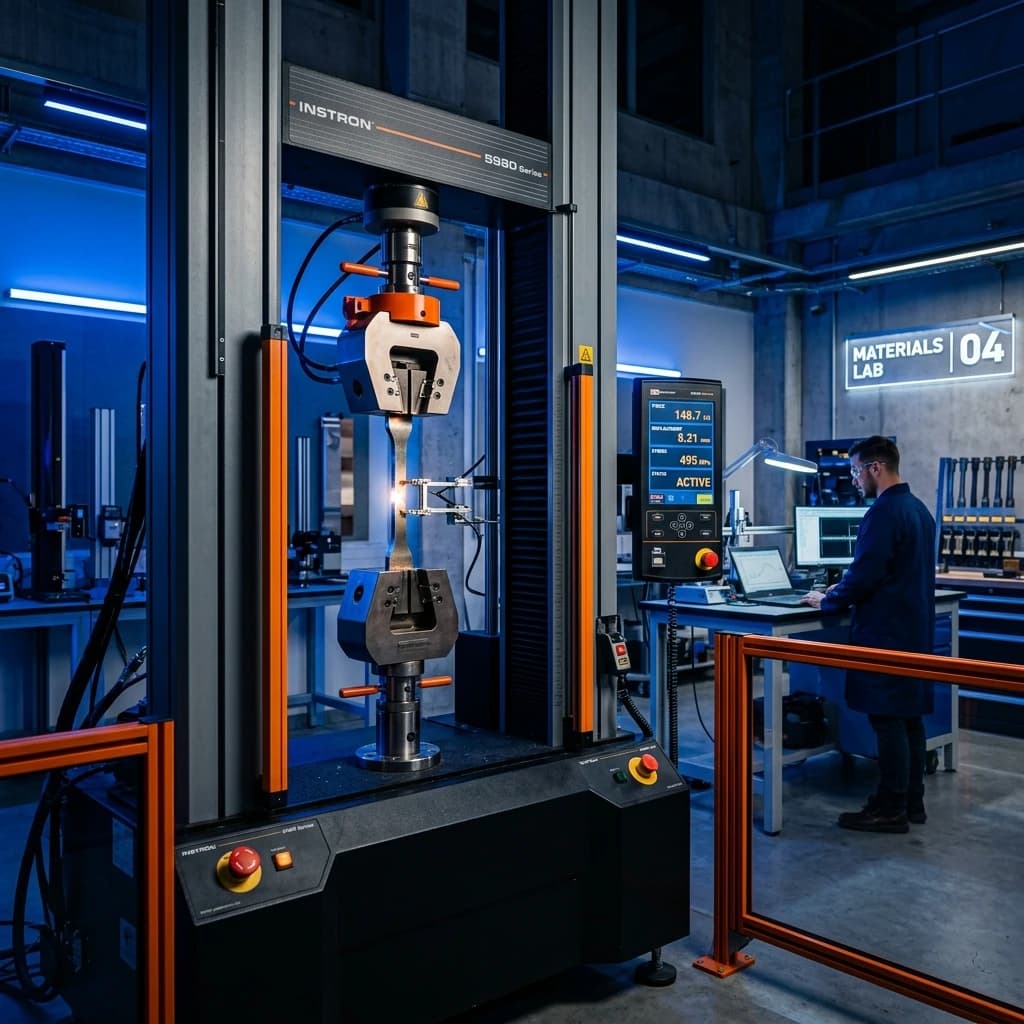
Concrete Testing Methods and Equipment Guide Cover Setup Diagram

What is it?

Concrete testing methods comprise standardized procedures to evaluate the workability of fresh concrete (slump, flow, air content) and the mechanical strength (compression, flexure, tension) of hardened specimens.

Concrete testing comprises methodologies to evaluate both plastic (fresh) and hardened states of concrete. Fresh testing targets consistency and air content, while hardened testing measures compressive, split tensile, and flexural strengths over standard hydration intervals.

Why it is needed

Concrete strength varies based on mix precision, batching, curing moisture, and site compaction. Destructive compression tests verify that load-bearing columns, bridge piers, and structural slabs satisfy minimum design strengths.

Concrete strength varies based on mix precision, batching, curing moisture, and site compaction. Destructive compression tests verify that load-bearing columns, bridge piers, and structural slabs satisfy minimum design strengths.

How to Setup & Test: Step-by-Step Workflow

01

Fresh Concrete Slump Test

Fill a slump cone in three layers, rod each layer, lift the cone, and measure slump height to qualify pumpability.

02

Specimen Cast & Tamping

Pour concrete mix into 150mm steel cube or 150x300mm cylinder molds, compact using standard vibrators or tamping rods.

03

Moist Chamber Curing

Demold concrete specimens after 24 hours, place in a curing tank containing lime-saturated water at 27±2°C.

04

Compressive Crushing Test

Place dry cured specimens in the Compression Testing Machine (CTM) and apply force at 140 kg/cm²/min until failure.

Reference Standards

IS 516
Method of Tests for Strength of Concrete
IS 1199
Methods of Sampling and Analysis of Concrete
ASTM C39
Standard Test Method for Compressive Strength of Cylindrical Concrete Specimens

Maintenance & Common Mistakes

Do not let concrete cubes dry out before compression testing; dry specimens can show up to 10% lower strength.
Ensure the CTM spherical platens are cleaned and lubricated to permit smooth self-alignment during crushing.

Frequently Asked Questions

Q:Why must concrete cubes remain wet until the compression test?

Curing maintains moisture for complete hydration. Dry cubes show up to 10% lower compressive strength and display brittle, premature fractures.

Q:How does air entrainment affect concrete strength?

Entrained air (typically 4-6%) improves freeze-thaw durability and workability, but each 1% of entrained air reduces compressive strength by about 5%.